Four legacy platforms, unified in twelve weeks
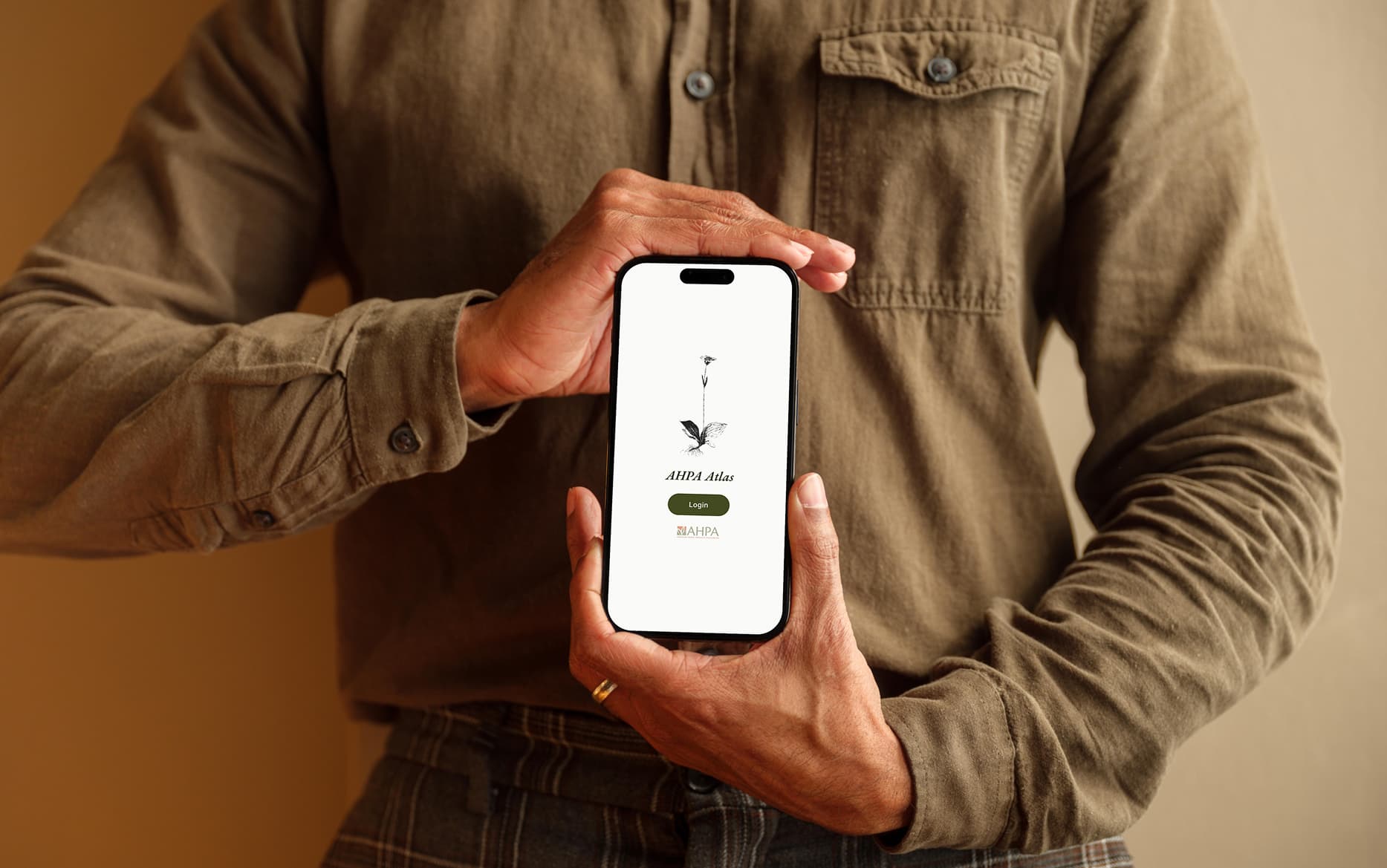
The American Herbal Products Association (AHPA) is the primary trade association for the US herbal and dietary supplement industry. Its publications set the plant names, safety classifications and identity standards the industry works to. That authority sat on three ageing websites and a printed book — four access methods, no way to search across them. AHPA brought in Pixie Labs to replace all four with one platform.
They needed one platform, not four
Three of the four resources ran on ageing platforms AHPA could no longer patch or extend, and one of them with no source code at all. The fourth, Herbs of Commerce, existed only in print. Pixie Labs designed and built the AHPA Atlas in twelve weeks: one Ruby on Rails 8 platform with single sign-on and cross-content search.
We helped AHPA achieve…
- 01.
Out of print, into one search
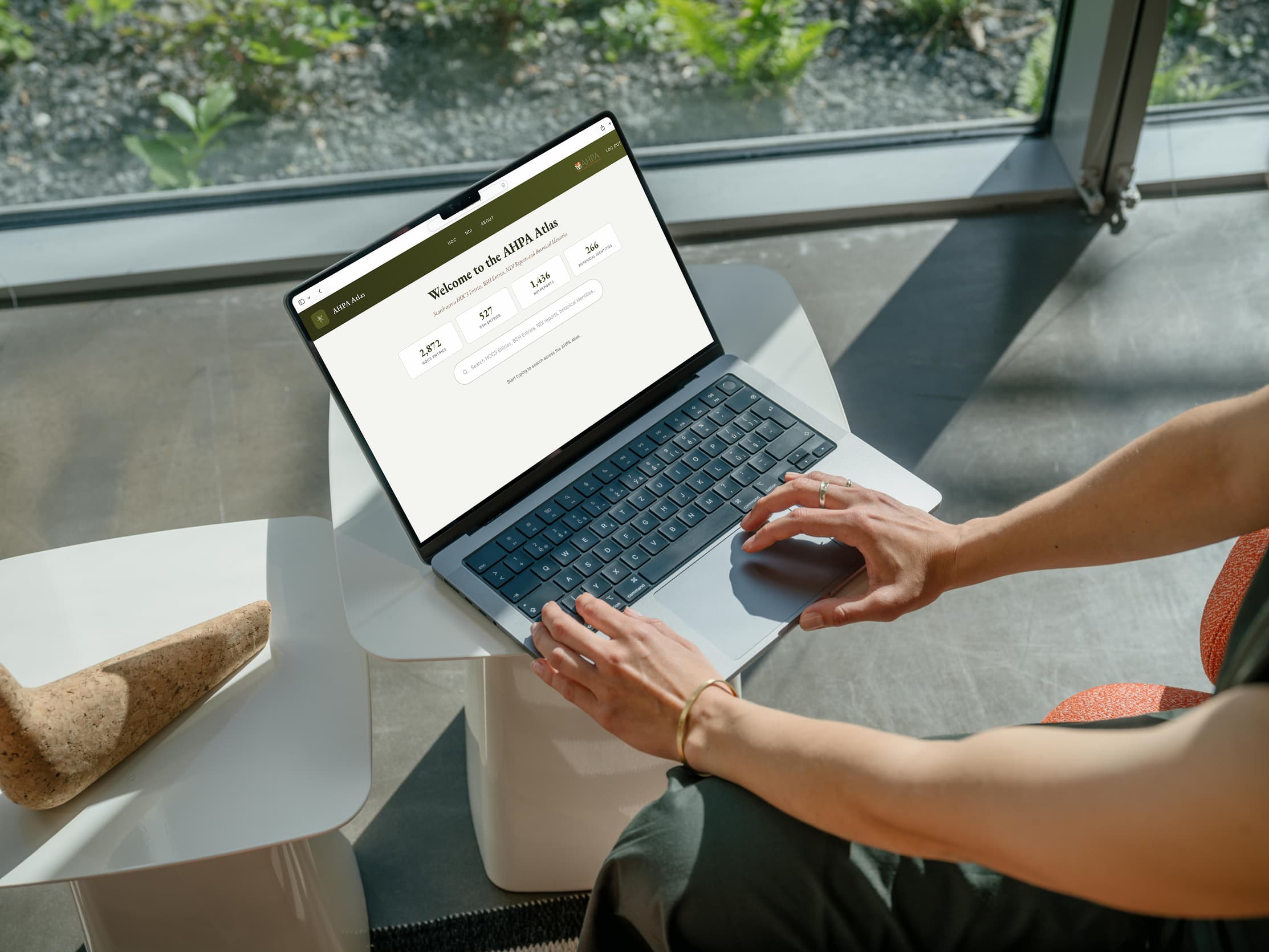
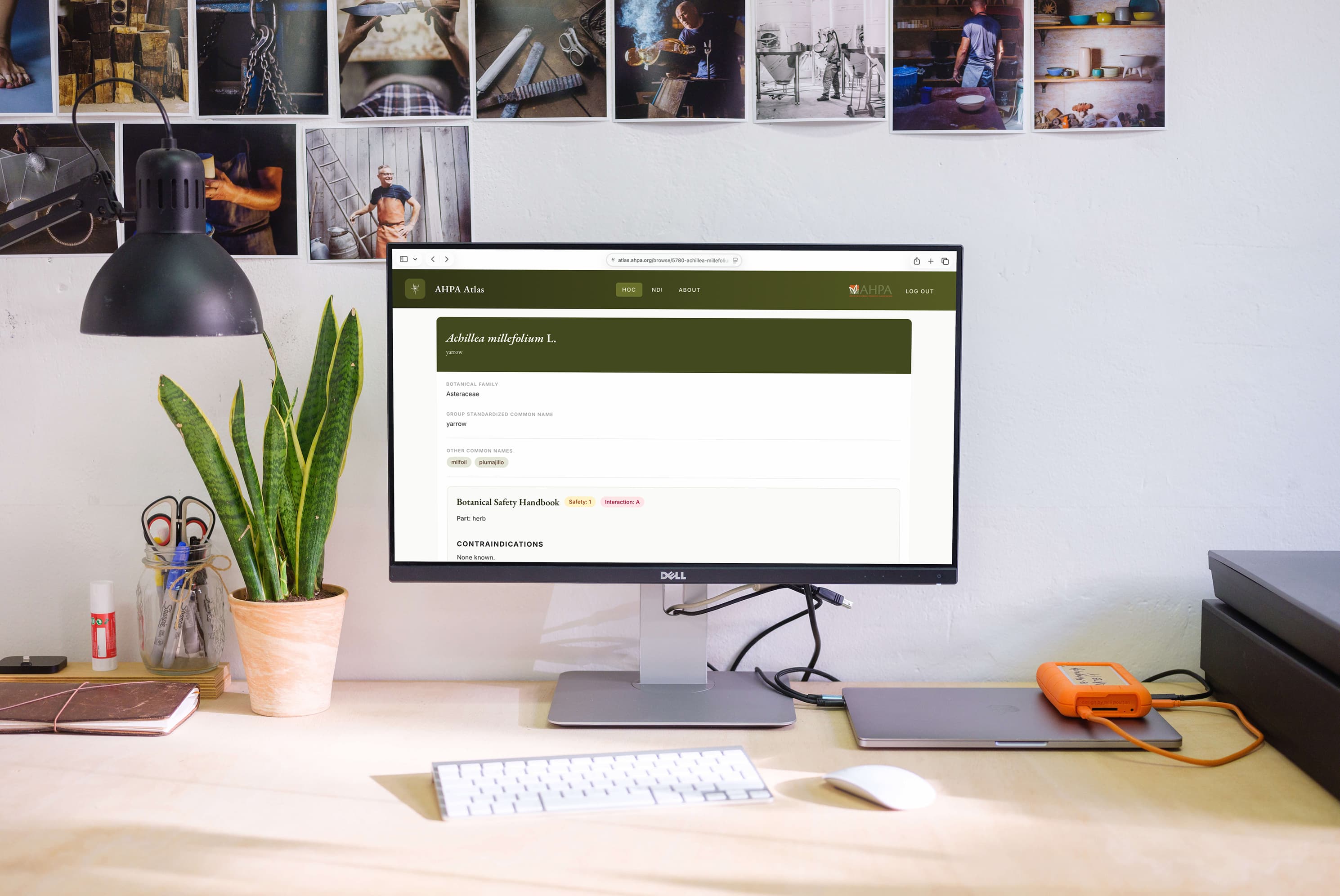
Herbs of Commerce, a reference named in FDA regulation, had never been searchable. Thousands of plant species now resolve to one page carrying safety class, drug interactions, taxonomy and New Dietary Ingredient status. - 02.
One login, four resources
Naylor single sign-on replaced three separate legacy logins, and one session now carries members across the whole Atlas. - 03.
Three legacy platforms retired
Three separate stacks, each with its own hosting, security surface and maintenance burden, are now one.
Using our Vital Systems™ process to drive progress
Diagnosing issues
We audited all four resources, their content models and their hosting. Alongside the Atlas, we reviewed AHPA's IT setup across Office 365, SharePoint, AWS, domain management, device management and password handling, then handed them a report of what to fix first.
Planning priorities
We sequenced a twelve-week roadmap around the highest-value work first: Herbs of Commerce as a digital product, then single sign-on, then migration and cross-referencing. Anything that wasn't core to launch went to a later phase.
Rebuilding systems
We migrated thousands of plant records and dietary ingredient reports onto a single Rails 8 platform. Every herb now has one detail page linking its safety class, drug interactions, taxonomy, New Dietary Ingredient status and authentication data.
Priming for growth
The Atlas is built upon stable foundations: one Rails app, one database, search inside PostgreSQL. New content types need no new moving parts. The platforms it replaced were abandoned because nobody could safely change them. This one is built to be changed.
Results
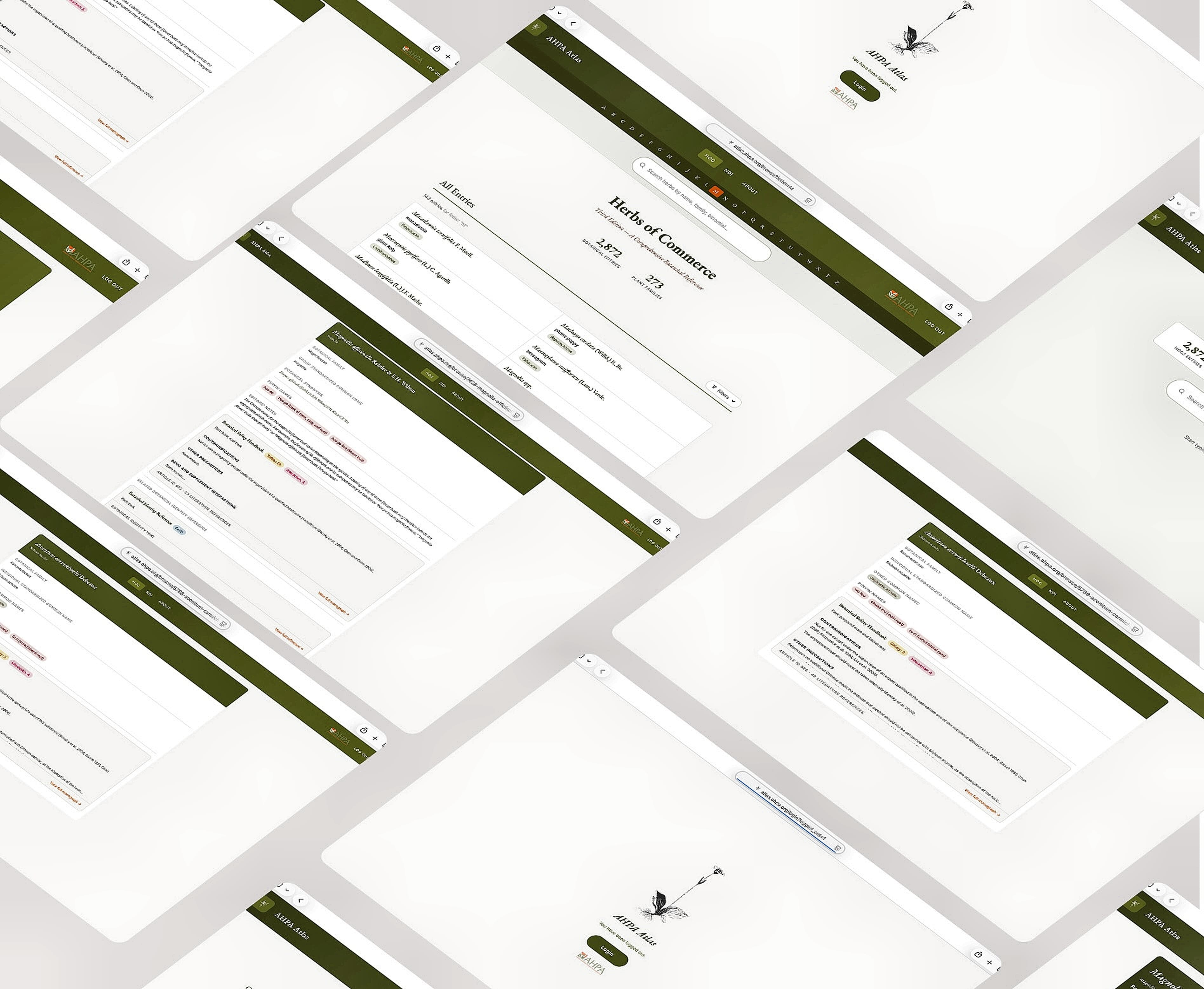
AHPA's published work is now a single integrated platform. Finding an answer no longer means knowing which resource holds it. Whatever AHPA publishes next has a home.
- 01
Ruby on Rails 8 for the application backend and admin content management.
- 02
PostgreSQL full-text search across all four content types at once.
- 03
Hotwire, using Turbo and Stimulus, for a fast interface without a separate frontend app.
- 04
Tailwind CSS for a consistent design across desktop and mobile.
- 05
Naylor single sign-on gating the Atlas on active AHPA membership.
- 06
Render with GitHub Actions CI/CD for repeatable, low-maintenance deployment.